
Commercial Solar Industry is changing the paradigm of how the Indian corporate sector thinks about energy, costs, and sustainability. With the rising cost of electricity, businesses across India are actively looking for a stable and long-term power solution. Solar energy has emerged as a dependable option that lowers operational expenses while also supporting sustainability goals. Moreover, companies now clearly understand that investing in solar panel systems is not just environmentally responsible but also a smart financial decision.
India’s high solar potential, supportive policies, and growing awareness have made commercial solar power adoption easier than ever. As a result, factories, offices, warehouses, hospitals, and malls are increasingly opting for solar systems to achieve energy independence. In this blog, we explore solar panel installation for commercial use, government support mechanisms, and why renewable energy is becoming essential for business growth.
Understanding the Expansion of Solar Power in the Commercial Sector
The Indian commercial sector consumes a large share of total electricity. Therefore, power expenses often form a major part of business budgets. Solar energy offers an effective solution to manage these rising costs. In addition, advancements in technology have made solar systems more affordable and efficient.
Unlike conventional energy sources, commercial solar power provides long-term reliability. Solar panels can generate electricity for over 25 years with minimal maintenance. Consequently, businesses can plan finances better without worrying about unpredictable tariff hikes. Furthermore, organizations using renewable energy often enjoy stronger brand trust, as customers increasingly prefer environmentally conscious companies.
Why Solar Panel Installation Is Ideal for Indian Businesses
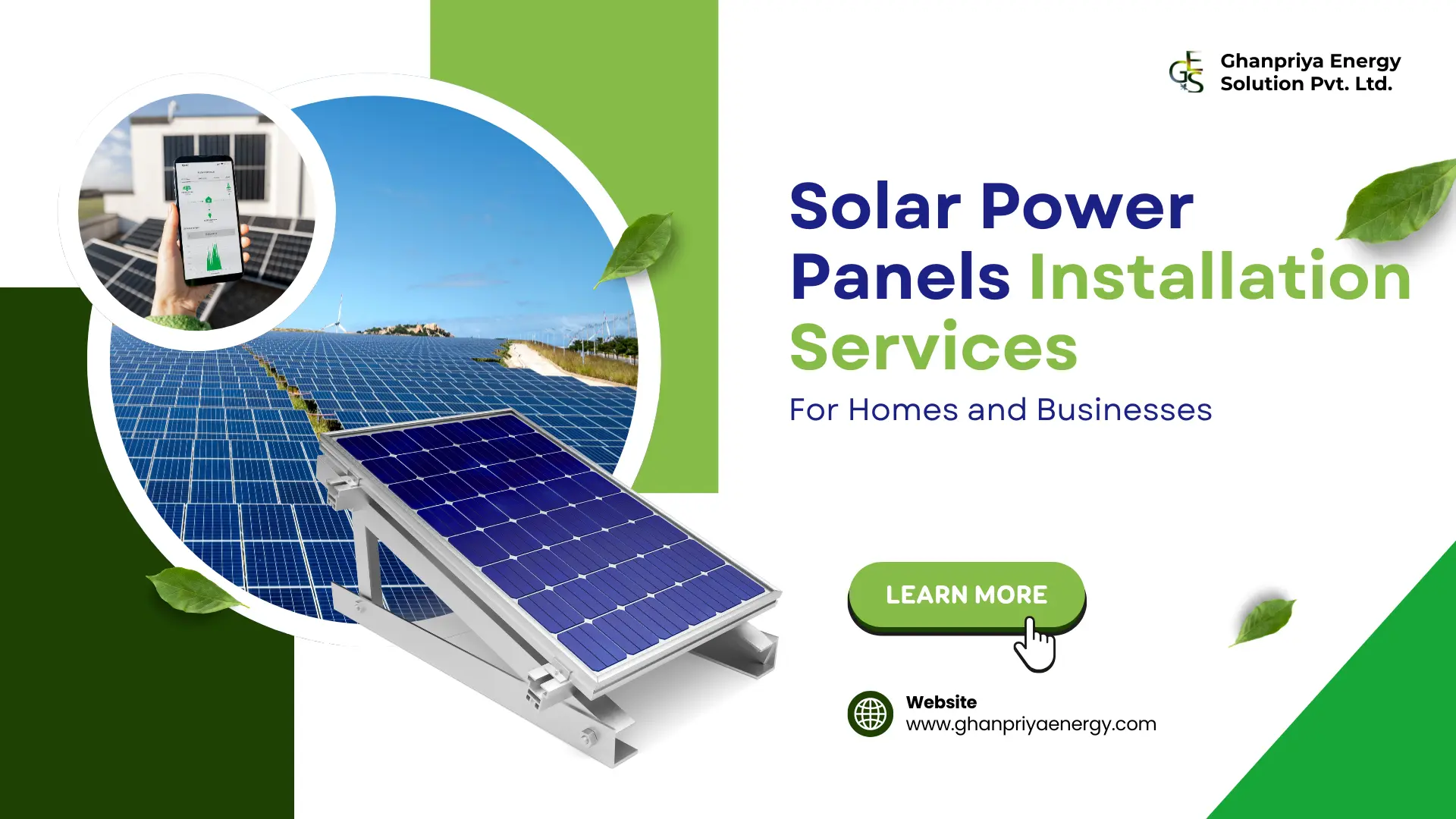
Today, commercial solar industry solar panel installation has become a smooth and well-organized process. Professional solar providers handle everything from energy audits to system design and final installation. As a result, businesses can shift to solar power without interrupting daily operations.
Rooftop solar systems allow companies to use idle roof space effectively. For instance, factories and warehouses can convert unused rooftops into power-generating assets. Additionally, solar systems reduce dependence on grid electricity and offer backup during power failures, ensuring business continuity.
Government Support and Subsidies Driving Solar Adoption
One of the strongest reasons behind the rapid growth of solar energy is government support. Policies and incentives have encouraged businesses to invest in renewable energy. In particular, the commercial solar power plant subsidy has made solar projects financially viable for many organizations.
The commercial solar power plant subsidy in India helps reduce initial capital costs, which is often a major concern for businesses. As a result, companies experience faster returns on investment. Moreover, access to the commercial solar power plant subsidy has enabled even small and medium enterprises to adopt solar energy confidently.
The availability of commercial solar power plant subsidy in India depends on system size, usage, and location. However, these incentives significantly accelerate the adoption of clean energy across industries.
Financial Benefits of Commercial Solar Power Systems
One of the most attractive advantages of solar energy is cost savings. Businesses using commercial solar power notice a sharp reduction in electricity bills from the very first month. Additionally, solar systems allow companies to lock energy costs for decades.
Moreover, solar projects offer excellent returns. Many businesses recover their investment within a few years. After that, the electricity generated is almost free. Furthermore, when combined with the commercial solar power plant subsidy, the payback period becomes even shorter, making solar power an economically sound choice.
Environmental Responsibility and Business Sustainability
Sustainability is no longer optional in today’s business environment. Customers, investors, and partners expect companies to reduce their environmental footprint. Solar energy significantly lowers carbon emissions and reduces dependence on fossil fuels.
By adopting commercial solar power, organizations demonstrate strong environmental responsibility. This, in turn, enhances market credibility and regulatory compliance. Therefore, solar panel installation supports both sustainable development and long-term business success.
Types of Commercial Solar Installations
Different businesses require different solar solutions. Rooftop solar systems are the most common and are ideal for offices, factories, schools, and hospitals. They maximize roof space while delivering reliable power.
Ground-mounted solar systems suit businesses with large open land areas and higher energy needs. Meanwhile, hybrid systems combine solar power with grid electricity or batteries. As a result, they provide uninterrupted power supply, especially for critical operations.
How Subsidies Influence Solar Investment Decisions
The commercial solar power plant subsidy plays a crucial role in solar investment planning. Subsidies reduce upfront expenses and increase overall profitability. In many cases, businesses can also benefit from tax incentives and accelerated depreciation.
Consequently, understanding the commercial solar power plant subsidy in India before starting a project is essential. These incentives encourage widespread adoption and strengthen India’s renewable energy ecosystem.
Energy Reliability and Long-Term Stability
Reliable power is vital for smooth business operations. Solar systems reduce the risk of outages and voltage fluctuations. Additionally, energy storage solutions ensure continuous power supply.
By investing in commercial solar power, businesses gain greater control over their energy consumption. This independence improves efficiency and reduces downtime. Moreover, solar system has long lifespans, offering stability for decades.
Choosing the Right Solar Installation Partner
Selecting an experienced solar partner is critical. Reliable providers offer complete services, including design, installation, maintenance, and assistance with the commercial solar power plant subsidy in India.
Quality components, strong warranties, and expert system optimization ensure maximum power generation and quick returns. Therefore, choosing the right partner is key to successful solar adoption.
Future of Solar Energy in Commercial Applications
The future of commercial solar power in India is highly promising. Technological innovation continues to improve efficiency and reduce costs. At the same time, government initiatives are expanding renewable energy support.
As businesses focus more on sustainability, demand for commercial solar industry renewable energy solutions will continue to grow. Digital monitoring and smart energy systems will further enhance solar performance.
Solar Energy as a Competitive Advantage
Solar energy offers more than just cost savings. It provides a competitive edge. Businesses using commercial solar industry solar panel installation position themselves as progressive and responsible.
Similarly, commercial solar industry renewable energy solutions help organizations align with global sustainability standards. As a result, solar power becomes a strategic business asset rather than just an energy source.
Conclusion
Solar panel installation is transforming how Indian businesses consume energy. Rising electricity costs and environmental concerns have made solar power a practical and future-ready solution. With financial support like the commercial solar power plant subsidy, adoption has become even more attractive.
The growing availability of commercial solar power plant subsidy in India is accelerating the shift toward clean energy. By choosing solar, businesses gain cost savings, energy security, and environmental credibility, making solar power a vital driver of sustainable growth.